Understanding overwatch 2 game modes
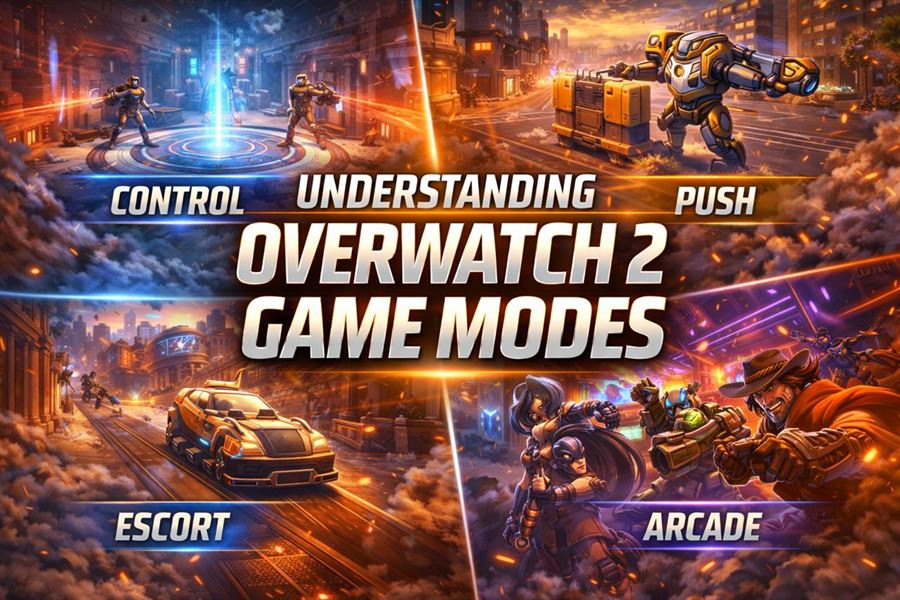
Since its highly anticipated release, Overwatch 2 has expanded its gameplay experience by introducing new content, reworking systems, and refining its game modes. These changes aim to enhance the competitive and casual aspects of the game, offering both new and returning players a well-rounded shooter experience. Whether you're a seasoned veteran or just entering the fray, understanding the available Overwatch 2 Game Modes is essential for enjoying the game to its fullest.
Main Game Mode Categories
Overwatch 2 is structured around several core game modes, each offering a distinct objective and playstyle. While the overall first-person shooter mechanics remain consistent throughout, the goals and strategies vary widely across the modes.
Unranked Play
Unranked Play serves as a casual introduction to the core gameplay formats without the pressures of a competitive environment. Players can queue up solo or in groups to participate in matches that mirror the competitive experience in terms of rules and objectives, but the outcomes do not affect player rankings.
Escort
In Escort, one team is tasked with guiding a payload along a set route to a delivery point, while the opposing team tries to halt their progress. It requires a balance of aggression, defense, and coordination, making it a staple of Overwatch’s gameplay.
Hybrid
Hybrid maps combine Point Capture and Escort mechanics. Teams begin by fighting over a control point. Once captured, the attacking team then escorts a payload to its destination. This mix of gameplay types adds strategic depth to each map.
Push
Push is a newer mode introduced in Overwatch 2. A central robot pushes a barricade toward an enemy base. Teams fight for control over the robot, and the team that pushes their barricade the farthest wins. The dynamic movement keeps players constantly engaged.
Control
Control maps are structured as best-of-three rounds. Teams battle to secure and hold a point, which unlocks shortly after the match begins. Success depends on sustained presence and zone control, fostering fast-paced and often chaotic skirmishes.
Competitive Play
Competitive Play is for those seeking high-stakes matches and rank progression. Utilizing the same maps and objectives as Unranked Play, Competitive adds pressure through performance-based rankings and seasonal rewards. Players must complete placement matches to receive an initial skill tier, which adjusts as performance varies.
Arcade Modes
Arcade is an experimental playground, offering unique and rotating game types. While not part of the main queue, these modes allow freedom and variety outside the standard mechanics. Notable Arcade offerings include:
- Team Deathmatch - Eliminate members of the enemy team to reach a score limit.
- Mystery Heroes - Spawn as random characters every time you die, increasing unpredictability.
- No Limits - Play duplicate heroes, removing role restrictions for chaotic fun.
Custom Games
Advanced players who want to tailor their experience can use the Custom Game browser. Here, creators modify existing modes with unique settings, rules, and premises. From roleplay servers to skill-focused mini-games, this is where the community’s creativity shines.
Event and Seasonal Modes
Blizzard frequently introduces limited-time game modes tied to seasonal events like Halloween Terror or Winter Wonderland. These modes often feature exclusive mechanics, themed cosmetics, and story-driven co-op missions. They offer a refreshing break from standard queues and incentivize regular playthrough challenges and unlocks.
Conclusion
From fast-paced objective battles to customized experimental maps, Overwatch 2's game modes cater to a wide array of preferences and skill levels. Understanding these modes not only improves in-game performance but also enriches the overall experience. Whether you're grinding Competitive or enjoying wild Arcade experiments, Overwatch 2 offers a dynamic and engaging shooter tailored for everyone.